Hashish is the original European cannabis. Long before flower dominated dispensary menus, hash was the staple of Amsterdam coffeeshops, Parisian banlieues, and Mediterranean port cities. The dark, pressed resin from Morocco’s Rif Mountains, the hand-rubbed charas of India, the blond pollen of Lebanon, and the sticky black Afghan styles have shaped European cannabis culture for generations. For connoisseurs, hashish is not a consolation prize to flower; it is the pinnacle of the craft—concentrated, terpene-rich, and steeped in tradition.
But tradition does not confer legality. In 2026, searching for ways to “buy THC hashish in Europe” leads overwhelmingly into a landscape of prohibition, counterfeit products, and serious legal peril. The rich cultural heritage of hashish in Europe has not translated into legal commercial access. In almost every European country, buying high-THC hashish remains a criminal act, and the market that supplies it is unregulated, untested, and often dangerous.
The Law Across the Continent
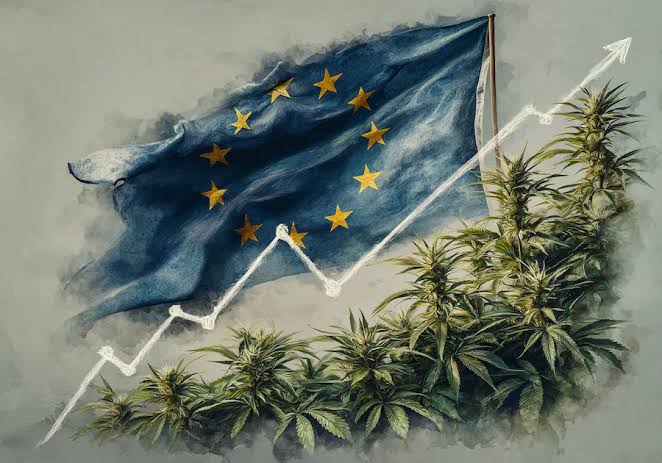
Hashish is a concentrated cannabis product. Its THC content typically ranges from 15% in traditional pressed resin to over 60% in modern ice water hash, rosin, and full-melt sifts. This potency places every gram of authentic hashish far beyond the 0.2% or 0.3% THC threshold that defines legal hemp in the European Union. Legally speaking, hashish is not a grey-area product; it is a controlled narcotic in every EU member state.
Possessing hashish is a criminal offense in most of Europe. The penalties scale with quantity and jurisdiction. In Sweden, Finland, or Poland, even a single gram can result in a criminal record and a heavy fine. In Hungary, drug possession laws are among the strictest on the continent, with prison sentences possible for small amounts. In France, possession carries fines and potential criminal proceedings, though in practice personal use amounts often result in smaller penalties. In Portugal, possession is decriminalized but the substance can be confiscated, and you may be referred to a dissuasion commission. Crucially, decriminalization of possession does not mean legalization of sale. Buying hashish remains illegal everywhere in Europe except through the narrow, residency-tied exceptions discussed below.
The only hashish that is fully legal to buy, possess, and transport across European borders is CBD hash—resin made from compliant hemp containing less than 0.3% THC. This product smokes, smells, and crumbles like traditional hash but contains no psychoactive compounds.
Where Purchase Is Tolerated or Permitted
A small number of European countries have created exceptions to the prohibition on buying cannabis, which may extend to hashish. None of these exceptions offer a simple, open retail experience.
The Netherlands allows coffeeshops to sell cannabis products, including hashish, under its tolerance policy. Most Amsterdam coffeeshops carry a hash menu alongside their flower offerings, with traditional Moroccan, Afghan, and Nepalese styles, as well as modern ice-o-lator and bubble hash. You can walk in, show ID proving you are over 18, and purchase up to 5 grams. This is the closest Europe gets to a legal retail transaction for hashish, but it is tolerance, not legalization, and the supply chain feeding those coffeeshops remains entirely illegal.
Spain’s Cannabis Social Clubs are private, non-profit, member-only associations. A resident member can obtain hashish through the club’s collective cultivation and production. Tourists cannot legally join or purchase; street touts offering club invitations are operating outside the legal framework and often running scams.
Germany permits Cannabis Social Clubs under its 2024 law to supply members with cannabis, which could include hashish produced from collectively grown plants. Membership requires German residency. Malta’s Cannabis Harm Reduction Associations function similarly for residents.
In every other European country, buying THC hashish is an illegal transaction with no legal protection, no quality control, and no recourse if the product is adulterated or the seller simply takes your money.
The Black Market: Scams, Soap, and Synthetics
The prohibition of THC hashish has created a sprawling, predatory black market. Online, a search for “Buy THC Hashish in Europe” returns countless Telegram channels, darknet listings, and professional-looking websites offering discreet delivery of premium resin. The vast majority are scams. Buyers send cryptocurrency and receive nothing. Follow-up extortion attempts, in which fake law enforcement emails demand payment to avoid prosecution, are common.
When packages do arrive, the product is often counterfeit. The most notorious scam in European hashish is the “soap bar”—a block of beeswax, henna, shoe polish, or inert plant material pressed and dyed to look like dark, oily resin. It smells vaguely of hash, smokes harshly, and contains no cannabis at all. More sophisticated counterfeits use low-grade CBD hemp hash laced with synthetic terpenes to mimic the aroma of high-end Moroccan or Afghan resin.
The most dangerous category is hashish adulterated with synthetic noids. These laboratory chemicals, sprayed or mixed into low-quality resin, bind aggressively to the brain’s cannabinoid receptors, producing a high that can veer into severe anxiety, psychosis, tachycardia, and loss of consciousness. Hospitalizations linked to synthetic cannabinoid-laced hashish have been reported across Europe. The product looks legitimate; the effect is toxic.
Even when the hashish is authentic, the lack of testing means unknown levels of pesticides, heavy metals, mold, and residual solvents from the extraction process. Traditional hashish produced in unregulated conditions in Morocco, Lebanon, or Afghanistan often contains contaminants that would fail any European food or pharmaceutical safety standard.
The Legal Alternative: CBD Hash
For Europeans and visitors who love the taste, texture, and ritual of hashish, the legal market has evolved into a genuine connoisseur space. Premium CBD hash, produced legally in Italy, Switzerland, Austria, and the Czech Republic, replicates the traditional styles with impressive fidelity.
You can buy:
-
Dry-Sift CBD Hash: Made by sifting cured hemp flowers through fine screens to collect trichome heads, then pressing the resulting kief into blocks. The texture ranges from sandy and blonde to dark and oily depending on the pressing technique and the starting material.
-
Ice Water Hash (Bubble Hash): Produced by agitating frozen hemp flower in ice water and filtering the separated trichomes through graduated screen bags. This method yields a cleaner, more potent product with a soft, crumbly texture.
-
Charas-Style Hand-Rubbed Hash: A small number of artisan producers use traditional hand-rubbing techniques on live hemp plants, creating a resin that echoes the legendary charas of the Himalayas.
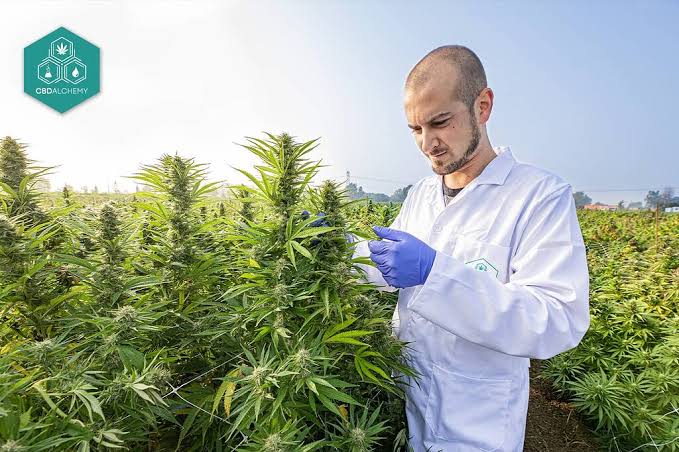
These products are sold with full lab reports verifying cannabinoid content and screening for contaminants. They ship legally across most EU borders. They provide the deep, earthy, spicy terpene experience of traditional hashish, the physical relaxation, and the meditative smoking ritual—without the high, the legal jeopardy, or the health risks of the black market.
The Bottom Line
You cannot legally buy THC hashish in Europe unless you are a resident member of a licensed social club in Spain, Germany, or Malta, or you are making a tolerated purchase in a Dutch coffeeshop. Everything else—every website, every Telegram seller, every street dealer, every “plug” on social media—is illegal, unregulated, and operating in a space where your money, your health, and your freedom are all at risk.
The legal CBD hash market offers a compelling, safe, and increasingly high-quality alternative. Until Europe reforms its cannabis laws to permit regulated commercial sales of THC products, it remains the only hash worth buying.